Healthcare

Hippotherapeut/in

Therapeutic riding art for body and mind
Hippotherapeut/in

01 · Overview

What this profession is about

You use the natural movements of a horse to strengthen your patients' muscles, balance, and coordination.

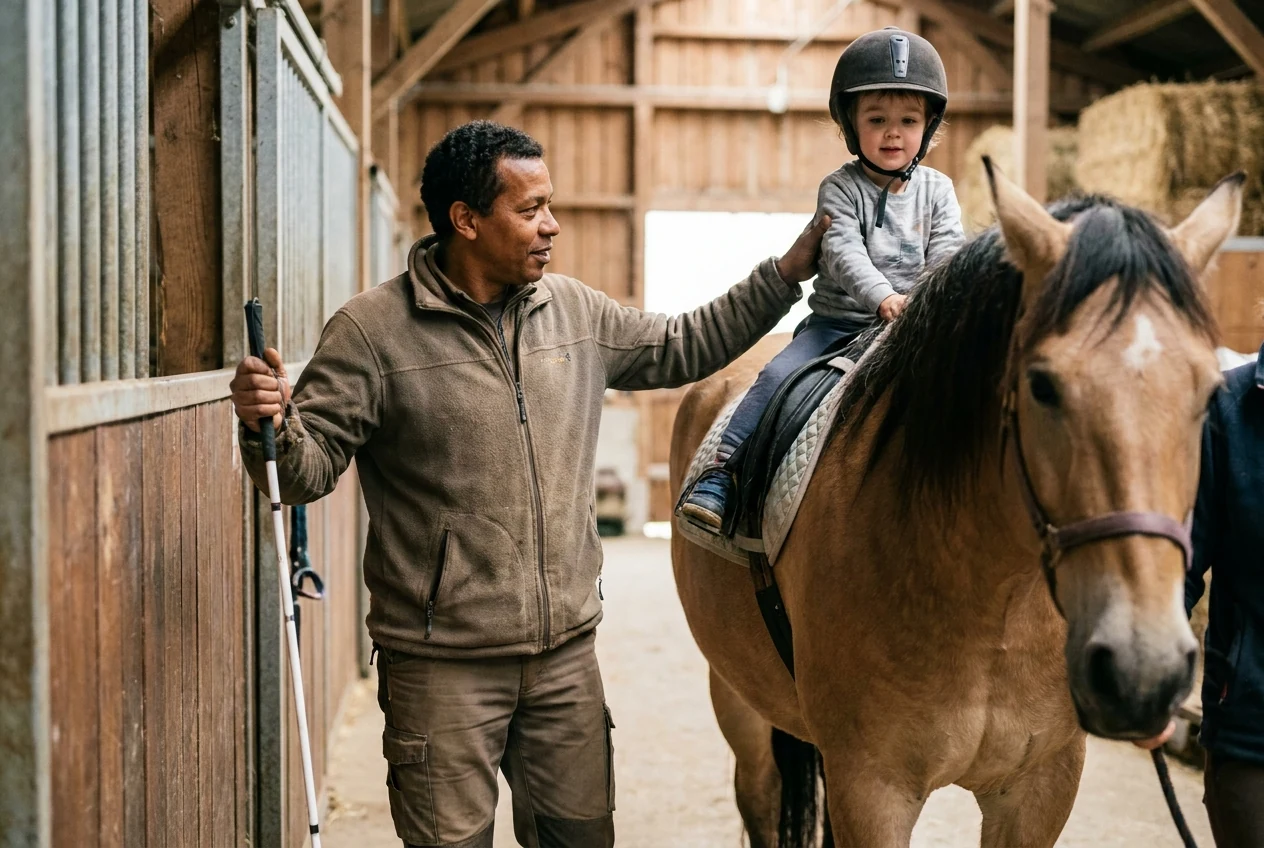
Here, working with animals and people connects in a unique way. You guide patients on horseback and use the animal's rhythmic hoofbeats as gentle therapy. With targeted support and adapted aids, you strengthen core muscles and balance. This profession requires great sensitivity, animal understanding, and solid medical knowledge.

FieldHealthcare
Education pathSpecialisation / Professional Function
IndustryMedical Therapy & Naturopathy
Swissdoc 0.723.37.0

02 · Salary

What you can earn

No verified Swiss salary data is available for this profession yet.
Salaries reflect Swiss market data. Range covers entry to senior. Salary reference based on Hippotherapeut/in.

03 · Pathway

How to enter and grow

Swiss training pathway available in the full profile

  • 🎓 Hippotherapeut/in

Official education path

This training path falls under the 'other' category and requires completed physiotherapy training plus professional experience.

Typical training path

Hippotherapeut/in

Prerequisites

  • Abgeschlossene Ausbildung in Physiotherapie
  • Knowledge of horses and riding experience

Requirements

  • Experience in handling horses

Where this can lead

Career changers are possible if you have basic medical training and can prove safe horse handling skills.

04 · Skills & fit

What it takes

Required skills

  • Animal understanding
  • Medical knowledge
  • Patience and sensitivity
  • Teamwork

Personality fit

  • Swiss career path
  • Career transition
  • Professional growth

05 · Daily reality

What the work feels like

Typical day

You stand at the riding arena and check your patient's sitting position on the horse. With calm hands and specific aids, you guide the therapeutic exercises while the animal moves steadily at a walk.

  • You assess your patients' physical condition before therapy.
  • You position clients safely and comfortably on the horse.
  • You choose suitable aids to stabilize the sitting posture.
  • You guide therapeutic exercises using the horse's rhythmic hoofbeats.
  • You continuously monitor reactions and adjust the intensity.
  • You document progress and discuss results with the team.

Working conditions

You work in specialized riding therapy centers, animal-assisted practices, or outpatient facilities. Sessions often take place directly in stables or on adapted riding arenas.

Strengths

  • Animal understanding
  • Medical knowledge
  • Patience and sensitivity
  • Teamwork

Trade-offs

  • Physical strain
  • Weather dependency
  • High responsibility
  • Emotional exhaustion

06 · Similar

You might also explore

All in Healthcare