Culture & Media

Souffleur/Souffleuse

You support stage artists with their lines and cue instructions
Souffleur/Souffleuse

01 · Overview

What this profession is about

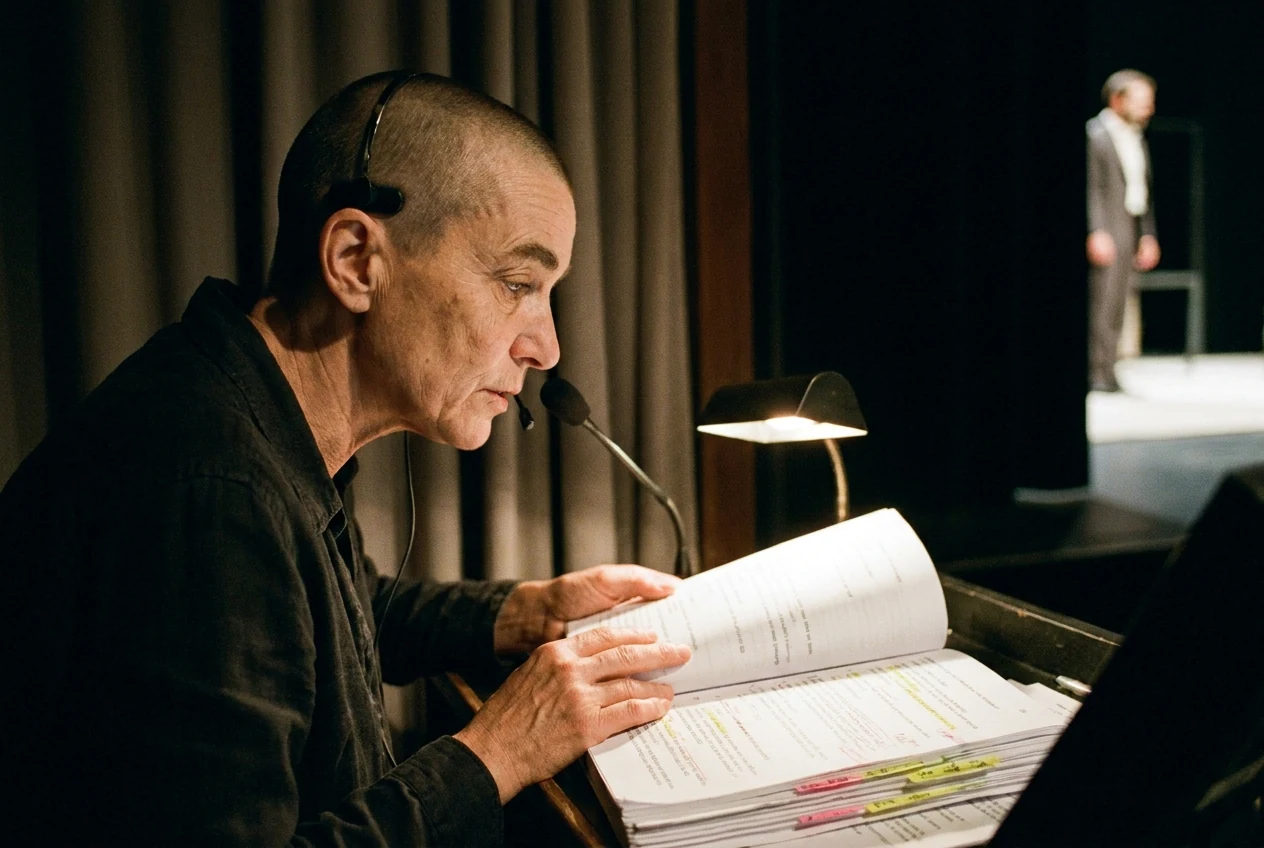
As Souffleur/Souffleuse, you help actors and singers behind the scenes with their lines and tempo cues.

You operate in the shadows as the stage's invisible guide. Your sharp reading and quiet cues keep theater and opera shows running smoothly. You mix artistic feel with technical skill. Your steady focus makes every live performance succeed. It gives performers the confidence to shine.

FieldCulture & Media
Education pathSpecialisation / Professional Function
IndustryTheatre, Music, Dance & Film
Swissdoc 0.825.28.0

02 · Salary

What you can earn

MedianCHF 43'807
CHF 37'500CHF 55'000
✓ Strong salary match
Salaries reflect Swiss market data. Range covers entry to senior. Salary reference based on Actor. Based on 20 observations, updated 7 months ago.

Salary by experience

40k50kmedian 44k50k45k52k38k40k32k0-2 yrs3-5 yrs6-8 yrs9-11 yrs12-21 yrs21+ yrs
View as table
ExperienceSalary (CHF)
0-2 yrsCHF 50'000
3-5 yrsCHF 45'000
6-8 yrsCHF 52'000
9-11 yrsCHF 37'500
12-21 yrsCHF 40'200
21+ yrsCHF 32'143

Salary trend

-11% over decade
30k40k50k52k38k29k47k2014-20162017-20192020-20222023-2025
View as table
PeriodSalary (CHF)
2014-2016CHF 52'000
2017-2019CHF 37'950
2020-2022CHF 29'000
2023-2025CHF 46'507

Top paying industries

  • Tourism / Travel / RecreationCHF 50'4005 obs.
View as table
IndustrySalaryObs.
Tourism / Travel / RecreationCHF 50'4005

03 · Pathway

How to enter and grow

Swiss training pathway available in the full profile

  • 🎓 Souffleur/Souffleuse

Official education path

You usually enter through practical experience or prior artistic training in acting or music.

Typical training path

Souffleur/Souffleuse

Prerequisites

  • Good vocal technique, foreign language skills
  • Music reading skills
  • Quick reflexes, flexibility
  • Sense of responsibility
  • Focus, stamina
  • Calmness and patience
  • Empathy

Requirements

  • good speaking technique
  • foreign language skills
  • quick reaction time
  • flexibility
  • ability to concentrate
  • stamina
  • composure and patience

Where this can lead

A career change is often possible if you already have stage experience or basic musical knowledge.

04 · Skills & fit

What it takes

Required skills

  • Vocal technique
  • Focus
  • Quick reflexes
  • Empathy

Personality fit

  • Swiss career path
  • Career transition
  • Professional growth

05 · Daily reality

What the work feels like

Typical day

You sit behind the stage with an open script. At a quiet signal, you whisper the next cue while the audience remains unaware.

  • You read the script carefully throughout the entire performance.
  • You notice in time when a performer misses a line.
  • You whisper the missing text or cue as quietly as possible.
  • You ensure only the performer hears your cue.
  • You help singers keep track of the musical flow.
  • You work closely with the director and stage crew.
  • You stay calm and focused even under pressure.

Working conditions

You typically work in theaters, opera houses, concert halls, or on tour productions. Your desk is usually behind the stage or in a separate prompt booth.

Strengths

  • Vocal technique
  • Focus
  • Quick reflexes
  • Empathy

Trade-offs

  • High concentration
  • Irregular hours
  • Invisible work
  • Pressure during live events

06 · Similar

You might also explore

All in Culture & Media