Transport, Logistics & Safety

Flughelfer/in Helikopter

You support pilots during demanding helicopter missions in mountainous terrain.
Flughelfer/in Helikopter

01 · Overview

What this profession is about

Flughelferinnen und Flughelfer accompany helicopter missions, secure loads, and assist with passenger and cargo transport in difficult terrain.

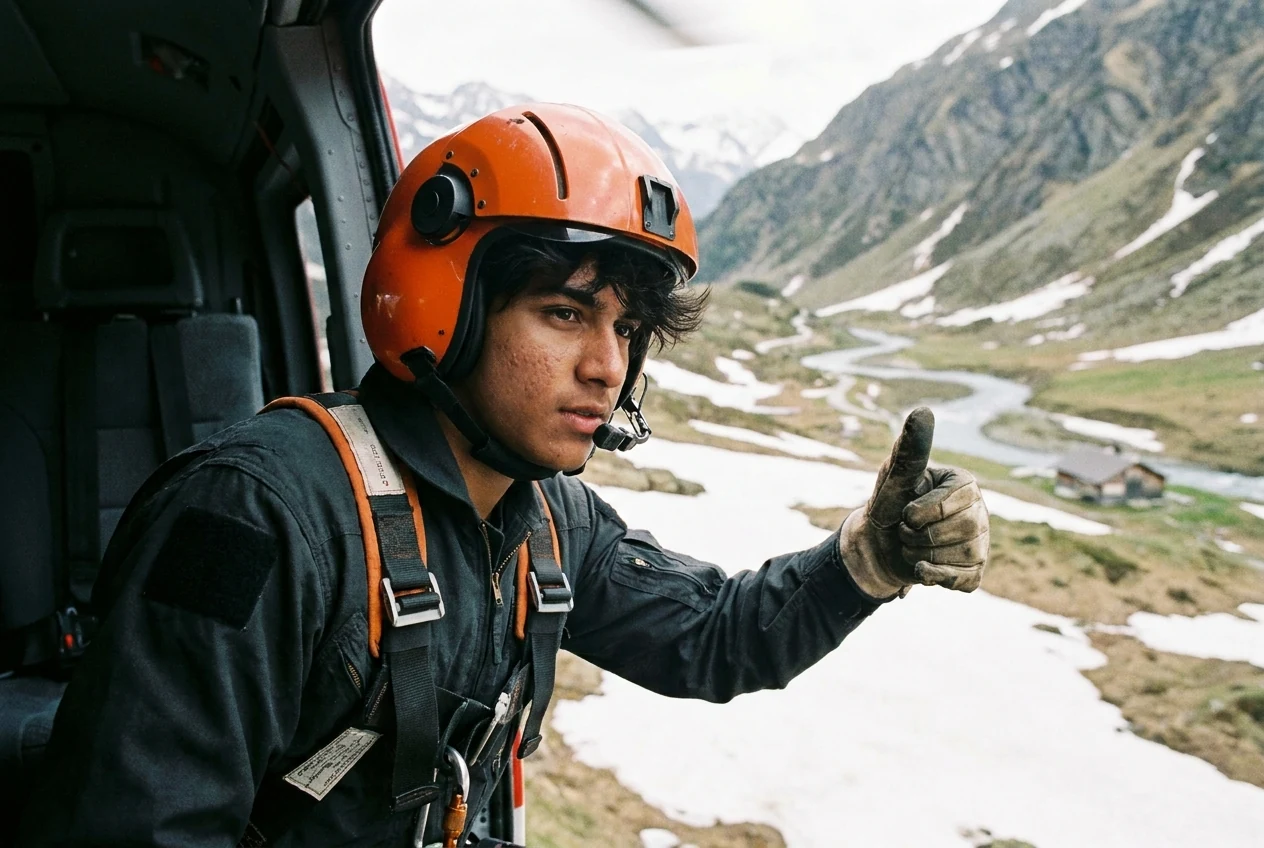
The workplace is often far from roads and infrastructure. As a Flughelfer or Flughelferin, you accompany helicopter missions directly on site. You inspect cargo, secure loads with ropes or nets, and give the pilot precise hand signals. Whether for humanitarian aid missions, firefighting, or transporting materials in rugged terrain: your work is physically demanding and requires the highest concentration.

FieldTransport, Logistics & Safety
Education pathSpecialisation / Professional Function
IndustryAviation
Swissdoc 0.634.18.0

02 · Salary

What you can earn

No verified Swiss salary data is available for this profession yet.
Salaries reflect Swiss market data. Range covers entry to senior. Salary reference based on Flughelfer/in Helikopter.

Salary by experience

20k40k60k30k66k20k0-2 yrs3-5 yrs6-8 yrs
View as table
ExperienceSalary (CHF)
0-2 yrsCHF 30'000
3-5 yrsCHF 66'000
6-8 yrsCHF 20'000

Salary trend

+60% over decade
30k40k30k48k2017-20192023-2025
View as table
PeriodSalary (CHF)
2017-2019CHF 30'000
2023-2025CHF 48'000

03 · Pathway

How to enter and grow

Swiss training pathway available in the full profile

  • 🎓 Flughelfer/in

Official education path

Training is provided through internal company courses and practical on-the-job training in helicopter operations.

Typical training path

Flughelfer/in

Prerequisites

  • Berufliche Grundbildung (e.g. Forstwart/in EFZ, Bauberuf)
  • Company-internal training
  • Courses on the Flughelfersyllabus of the Bundesamt für Zivilluftfahrt BAZL
  • Driver's license (preferably for trucks)

Requirements

  • Physical resilience
  • Analytical skills
  • Good observation skills
  • Precise way of working
  • Sense of responsibility
  • Good geographical knowledge in the vicinity of the helicopter base

04 · Skills & fit

What it takes

Required skills

  • Physical endurance
  • Analytical skills
  • Keen observation skills
  • Precise working methods
  • Sense of responsibility

Personality fit

  • Swiss career path
  • Career transition
  • Professional growth

05 · Daily reality

What the work feels like

Typical day

You stand at the landing site and check the surroundings while the cargo is secured with a rope. You guide the pilot with clear hand signals so the load can be lowered precisely and safely.

  • You inspect cargo and check landing conditions on site.
  • You secure loads with special nets or ropes for the flight.
  • You give the pilot precise instructions through clear hand signals.
  • You assist passengers with safe boarding and disembarking from the aircraft.
  • You assess conditions at the destination and coordinate the procedures.
  • You monitor the entire transport process and ensure safety.

Working conditions

You work mainly outdoors at landing sites, in rugged terrain, or at locations for humanitarian and logistics missions.

Strengths

  • Physical endurance
  • Analytical skills
  • Keen observation skills
  • Precise working methods
  • Sense of responsibility

Trade-offs

  • Physical strain
  • Weather dependency
  • Shift work
  • Risk factor

06 · Similar

You might also explore

All in Transport, Logistics & Safety