Salary by experience
View as table
| Experience | Salary (CHF) |
|---|---|
| 0-2 yrs | CHF 100'000 |
| 3-5 yrs | CHF 100'000 |
| 6-8 yrs | CHF 106'500 |
| 9-11 yrs | CHF 111'100 |
| 12-21 yrs | CHF 121'100 |
| 21+ yrs | CHF 120'000 |
You accompany people on their path to better mental health and inner stability

01 · Overview
Psychotherapeutinnen treat mental health challenges using various methods and work in private practices or clinics
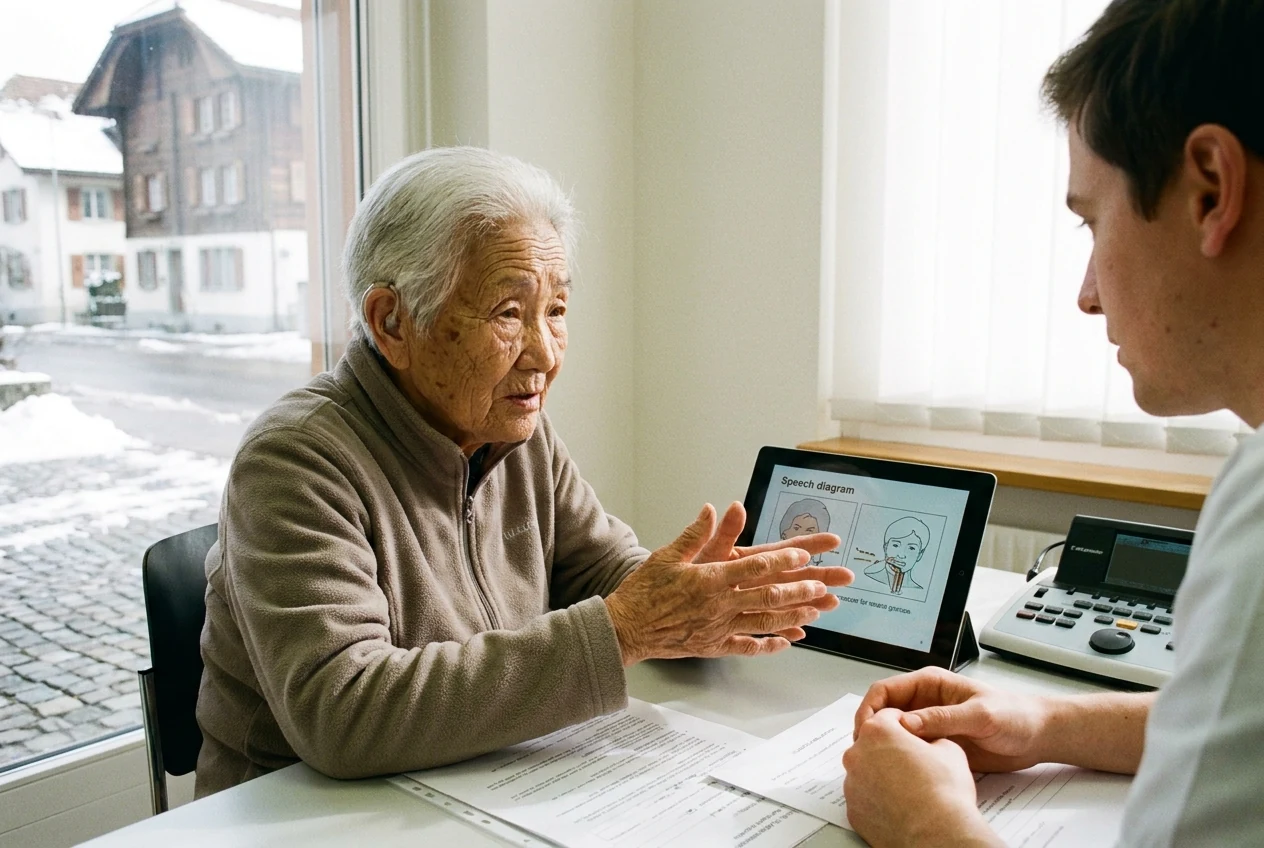
The individual mental health challenges of your clients are at the center of your work. You analyze their life circumstances, build trusting relationships, and apply targeted therapy approaches. Whether in your own practice or in psychosocial institutions: your goal is to relieve suffering and open up new perspectives. You accompany individuals, couples, or families on their path to greater stability and well-being.
02 · Salary
| Experience | Salary (CHF) |
|---|---|
| 0-2 yrs | CHF 100'000 |
| 3-5 yrs | CHF 100'000 |
| 6-8 yrs | CHF 106'500 |
| 9-11 yrs | CHF 111'100 |
| 12-21 yrs | CHF 121'100 |
| 21+ yrs | CHF 120'000 |
| Period | Salary (CHF) |
|---|---|
| 2014-2016 | CHF 97'250 |
| 2017-2019 | CHF 101'623 |
| 2020-2022 | CHF 103'250 |
| 2023-2025 | CHF 113'000 |
| Canton | Salary | Obs. |
|---|---|---|
| Zurich | CHF 120'000 | 32 |
| Basel-Stadt | CHF 99'200 | 14 |
| Berne | CHF 95'116 | 14 |
| Industry | Salary | Obs. |
|---|---|---|
| Health care / Social services | CHF 107'497 | 135 |
03 · Pathway
Swiss training pathway available in the full profile
The main path leads through an federally recognized continuing education program, completed part-time over four to six years.
eidg. anerkannter Weiterbildungstitel als "Psychotherapeut/in", gestützt auf das Diplom eines eidg. akkreditierten Weiterbildungsgangs Fachtitel der Berufsverbände ASP / FSP / SBAP
Career changers are possible if you can present an equivalent degree. Foreign diplomas must be recognized by the Psychology Professional Commission.
04 · Skills & fit
05 · Daily reality
You sit in a quiet treatment room and listen attentively to your clients while discussing the next therapy goals together. You constantly reflect on the therapeutic relationship to guide progress optimally.
You work in your own practice or in psychosocial institutions such as clinics, counseling centers, and hospitals. Market conditions vary by region, with rural areas often seeking qualified professionals.
06 · Similar