Salary by experience
View as table
| Experience | Salary (CHF) |
|---|---|
| 0-2 yrs | CHF 62'400 |
| 3-5 yrs | CHF 62'400 |
| 6-8 yrs | CHF 12'000 |
| 12-21 yrs | CHF 112'000 |
You support animals and their owners in achieving health through natural healing methods.
01 · Overview
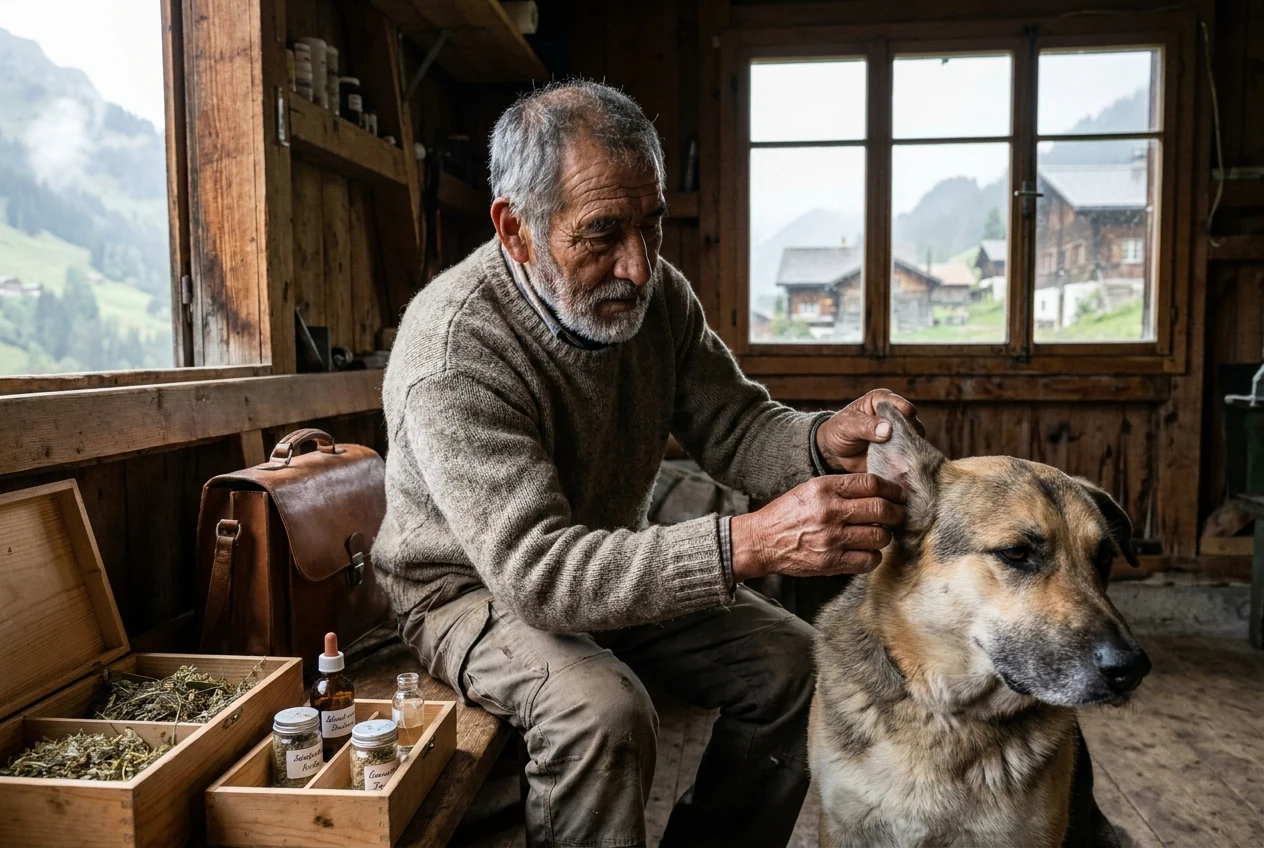
Tierheilpraktiker/in / Tierhomöopath/in support sick animals with alternative therapies and advise owners on housing and nutrition.
Many animals suffer from chronic complaints or behavioral problems that conventional medicine cannot always fully resolve. Tierheilpraktiker/in / Tierhomöopath/in step in with natural healing methods. You combine traditional knowledge with modern animal observation. The animal's well-being is always your priority. This work requires great tact and a deep understanding of animal body language.
02 · Salary
| Experience | Salary (CHF) |
|---|---|
| 0-2 yrs | CHF 62'400 |
| 3-5 yrs | CHF 62'400 |
| 6-8 yrs | CHF 12'000 |
| 12-21 yrs | CHF 112'000 |
| Period | Salary (CHF) |
|---|---|
| 2017-2019 | CHF 112'000 |
| 2023-2025 | CHF 62'400 |
03 · Pathway
Swiss training pathway available in the full profile
Training is provided through internal diplomas or certificates in vocational continuing education.
Schuleigenes Diplom/Zertifikat
Career changers can qualify by demonstrating prior knowledge in natural healing or veterinary medicine.
04 · Skills & fit
05 · Daily reality
You stand beside the treatment table and check the animal's pulse. The owner quietly shares the medical history. Afterwards, you prepare the right herbal remedies or acupuncture needles.
You usually work in your own practice, in a veterinary group practice, or mobile at the owner's home. The treatment rooms are always quiet and designed for animals.
06 · Similar