Salary by experience
View as table
| Experience | Salary (CHF) |
|---|---|
| 0-2 yrs | CHF 31'500 |
| 3-5 yrs | CHF 47'000 |
| 9-11 yrs | CHF 66'000 |
| 12-21 yrs | CHF 87'907 |
| 21+ yrs | CHF 112'500 |
You design spaces and stagings for theatre, film and exhibitions
01 · Overview
Szenograf/in design and realise stage sets, exhibition spaces and film backdrops in interdisciplinary teams.
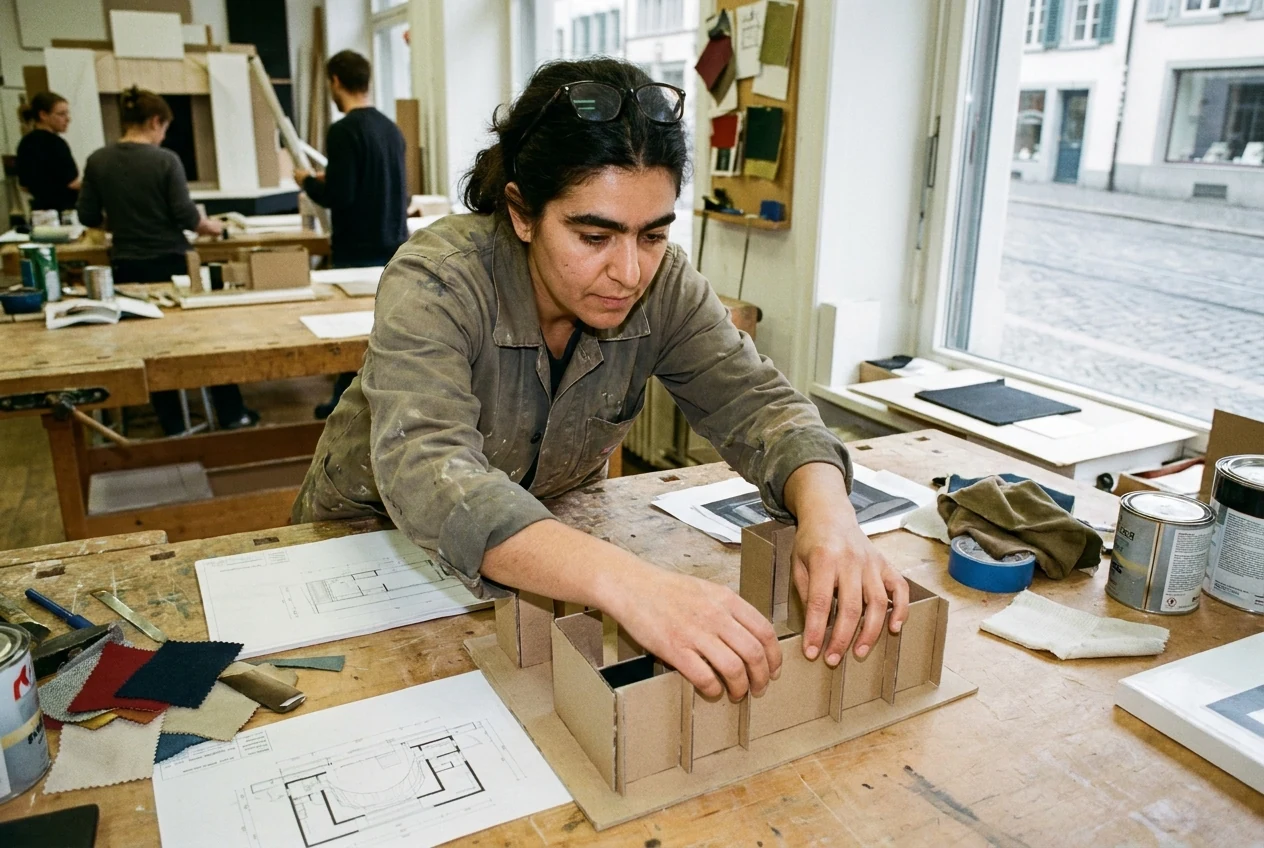
Spaces tell stories. As a Szenograf/in, you combine art, technology and architecture to create visual worlds. You analyse scripts, concepts and architectural guidelines to develop suitable stagings. In close-knit teams, you implement your designs and shape the atmosphere for theatre, cinema or trade fairs. Your creative flair turns empty spaces into emotional experiences.
02 · Salary
| Experience | Salary (CHF) |
|---|---|
| 0-2 yrs | CHF 31'500 |
| 3-5 yrs | CHF 47'000 |
| 9-11 yrs | CHF 66'000 |
| 12-21 yrs | CHF 87'907 |
| 21+ yrs | CHF 112'500 |
| Period | Salary (CHF) |
|---|---|
| 2014-2016 | CHF 46'000 |
| 2017-2019 | CHF 34'800 |
| 2020-2022 | CHF 46'000 |
| 2023-2025 | CHF 18'900 |
03 · Pathway
Swiss training pathway available in the full profile
You enter the profession through a university degree in scenography or related art and design subjects.
Szenograf/in
You can enter the profession through alternative routes if you have relevant study results or practical project experience.
04 · Skills & fit
05 · Daily reality
You stand before an empty stage and discuss spatial requirements with the directing team. Together, you sketch initial designs that are later brought to life with lighting and props.
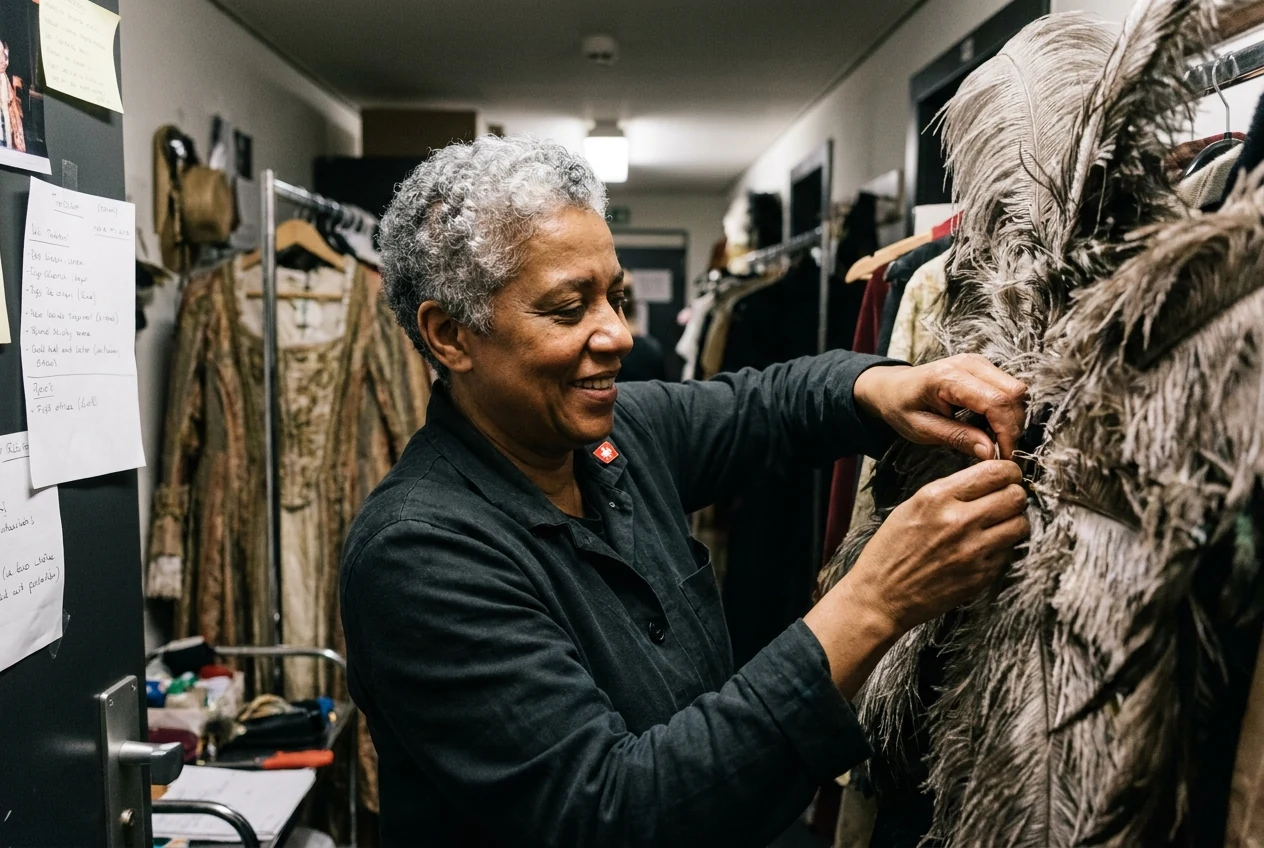
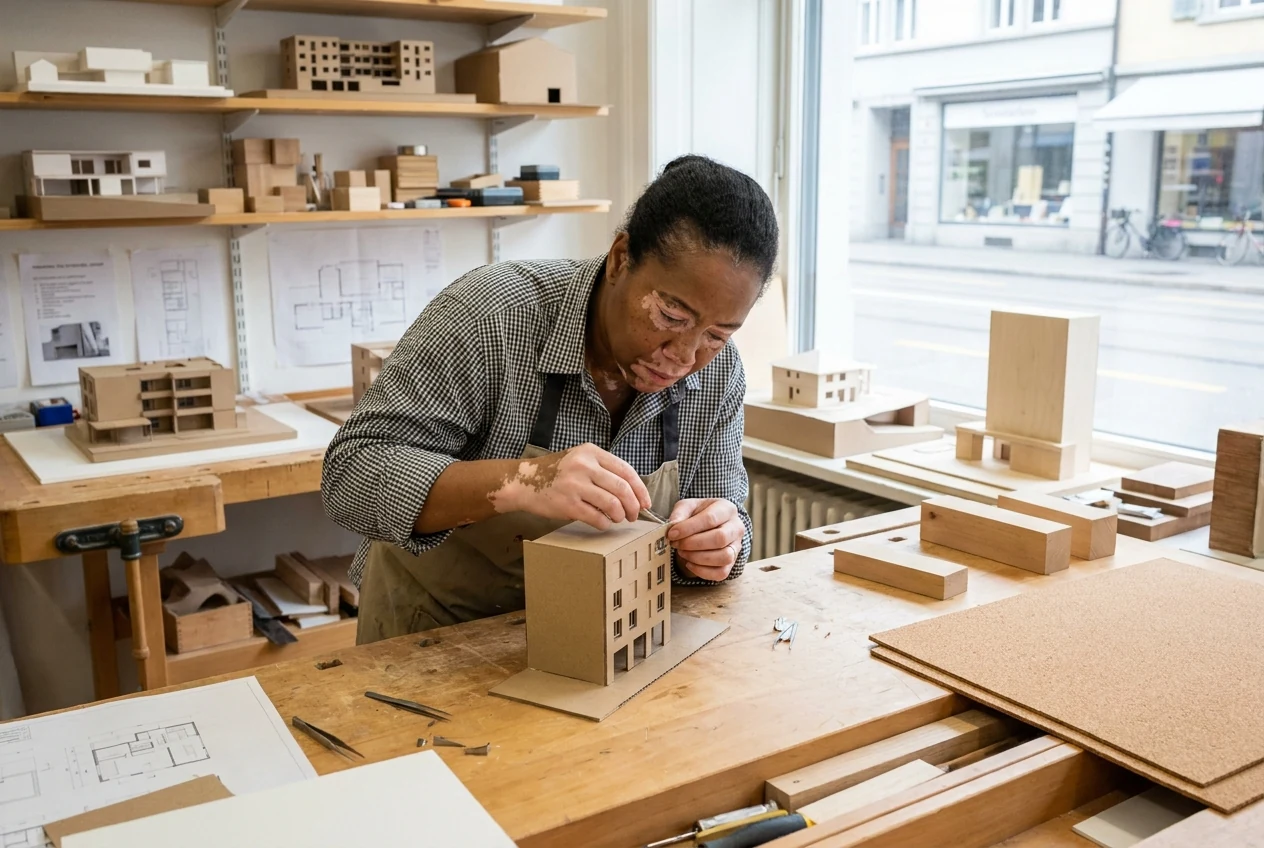
You work in theatres, film studios, exhibition halls and cultural institutions. You often move between workshops, offices and the respective staging locations.
06 · Similar