Education & Social Work

Eurythmielehrer/in / Eurythmist/in

You turn language and music into moving art forms
Eurythmielehrer/in / Eurythmist/in

01 · Overview

What this profession is about

You shape language and music with targeted body movements. You accompany people in schools, therapy, or on stage.

As Eurythmielehrer/in / Eurythmist/in, you bring sound and words to life. You translate inner feelings and musical structures into visible gestures and figures. Whether in educational teaching, therapeutic practice, or on stage: you accompany people of all ages on their path to expressive strength. Your work combines a strong sense of body with deep artistic and pedagogical responsibility.

FieldEducation & Social Work
Education pathSpecialisation / Professional Function
IndustryEducation & Teaching
Swissdoc 0.824.4.0

02 · Salary

What you can earn

No verified Swiss salary data is available for this profession yet.
Salaries reflect Swiss market data. Range covers entry to senior. Salary reference based on Eurythmielehrer/in / Eurythmist/in.

Salary by experience

20k40k15k50k0-2 yrs21+ yrs
View as table
ExperienceSalary (CHF)
0-2 yrsCHF 15'000
21+ yrsCHF 50'400

Salary trend

+236% over decade
20k40k15k50k2020-20222023-2025
View as table
PeriodSalary (CHF)
2020-2022CHF 15'000
2023-2025CHF 50'400

03 · Pathway

How to enter and grow

Swiss training pathway available in the full profile

  • 🎓 Schuleigenes Diplom/Zertifikat
  • 4-5 Jahre, berufsbegleitend.

Official education path

The path leads through a school-based training that takes 4 to 5 years and is completed alongside work.

Typical training path

Schuleigenes Diplom/Zertifikat

Prerequisites

  • Eignungsgespräch mit Bewegungsaufgabe

Requirements

  • Interest and openness for Anthroposophie
  • Joy in movement
  • Physical and psychological resilience

04 · Skills & fit

What it takes

Required skills

  • Body awareness
  • Expressive power
  • Pedagogical patience
  • Anthroposophical understanding

Personality fit

  • Swiss career path
  • Career transition
  • Professional growth

05 · Daily reality

What the work feels like

Typical day

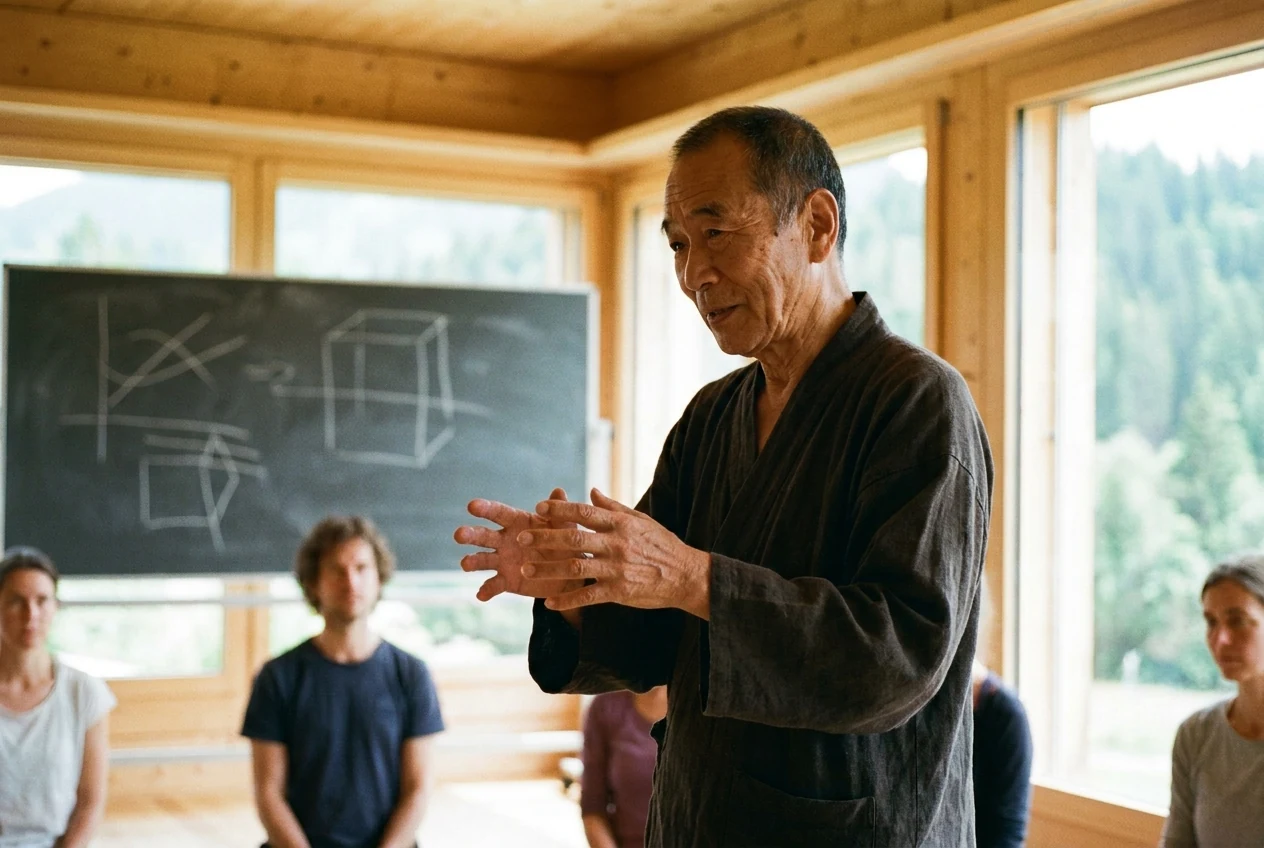
You stand in front of a group. You guide the participants through an exercise on sound gestures. You pay close attention to the posture and inner tension of each person.

  • You develop new eurythmic elements together with your groups.
  • You teach tension and relaxation exercises step by step.
  • You guide participants through differentiated sound and interval gestures.
  • You create artistic expressions for complex musical works.
  • You work therapeutically with doctors on special healing eurythmy exercises.
  • You accompany children, young people, and adults on their learning journey.

Working conditions

You work in eurythmy schools, therapy practices, or clinics. You also find frequent opportunities on stages and in private studios.

Strengths

  • Body awareness
  • Expressive power
  • Pedagogical patience
  • Anthroposophical understanding

Trade-offs

  • Physical strain
  • Niche market
  • High personal responsibility
  • Emotional intensity

06 · Similar

You might also explore

All in Education & Social Work