Nature & Environment

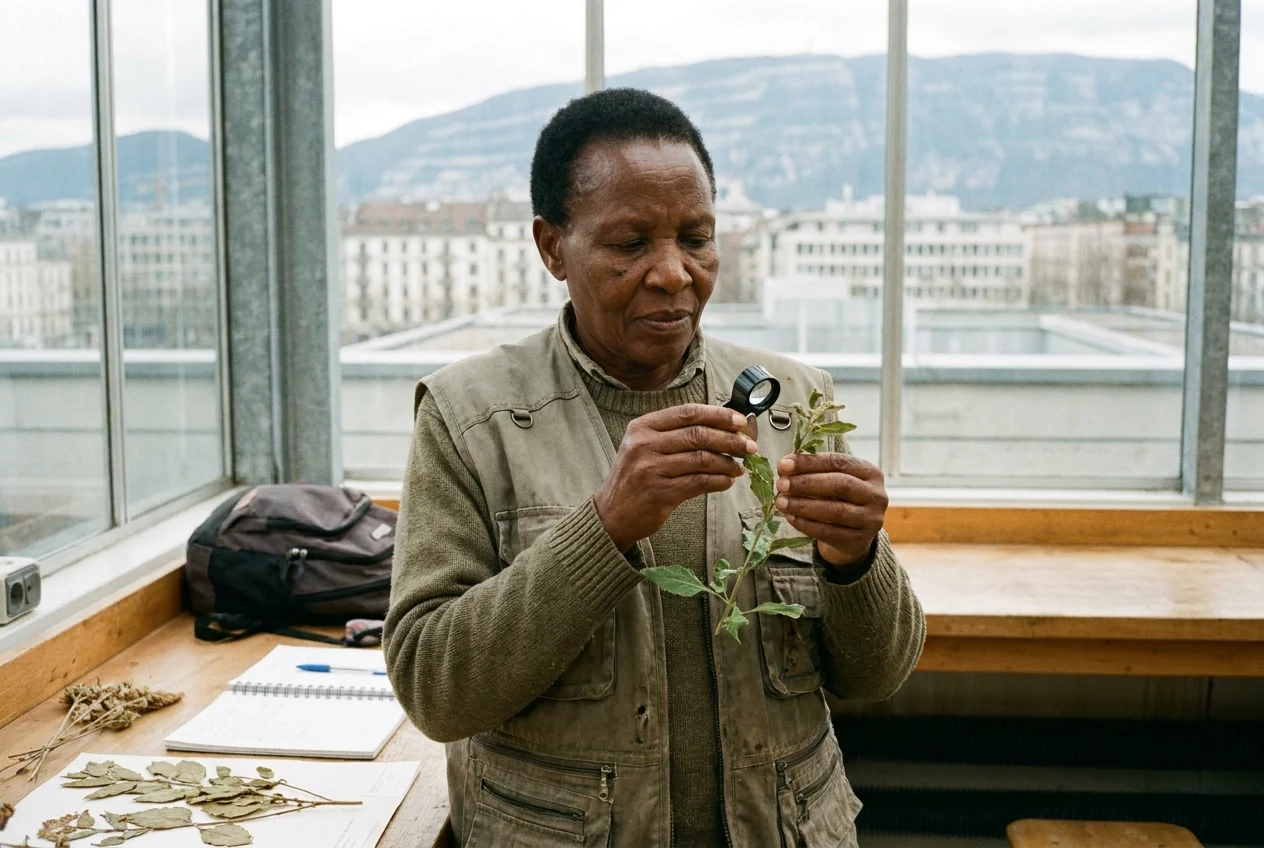
Botaniker/in UNI

You research plants and their role in nature and industry
Botaniker/in UNI

01 · Overview

What this profession is about

Plant scientists study plant life. They explore ecological connections and develop solutions for agriculture and the environment.

Is the world of plants fascinating to you? As a Botaniker/in UNI, you explore the complex life of plants. You analyse cell structures and study ecological networks. Your research helps find sustainable solutions for climate, food, and nature conservation. Your lab or research field becomes a key place for groundbreaking discoveries.

FieldNature & Environment
Education pathHigher Education Profession
IndustryNature & Environment
Swissdoc 0.540.2.1

02 · Salary

What you can earn

No verified Swiss salary data is available for this profession yet.
Salaries reflect Swiss market data. Range covers entry to senior. Salary reference based on Botaniker/in UNI.

03 · Pathway

How to enter and grow

Swiss training pathway available in the full profile

  • 🎓 Master Universitäre Hochschule

Official education path

The main path is a university master's degree. For research roles, it is often followed by a doctorate.

Typical training path

Master Universitäre Hochschule

Prerequisites

  • Master from a Universitäre Hochschule
  • Doctorate (usually required for research work)
  • Lehrdiplom für Maturitätsschulen (for teaching at Mittelschulen)

Requirements

  • Systematic and networked thinking
  • Enjoyment and interest in scientific working methods

Where this can lead

A career change into teaching is possible with an additional teaching diploma for secondary schools.

04 · Skills & fit

What it takes

Required skills

  • Systematic thinking
  • Scientific interest
  • Precise work
  • Analytical strength

Personality fit

  • Swiss career path
  • Career transition
  • Professional growth

05 · Daily reality

What the work feels like

Typical day

You stand at a microscope or analysis device. You carefully document a plant's growth patterns or metabolic processes. Then you analyse the data. You draw conclusions about its health or ability to adapt to changing environmental conditions.

  • You examine fine cell structures and tissue formations under a microscope.
  • You systematically document the growth and life functions of different plant species.
  • You study the interactions between plants, soil, and climate changes.
  • You develop new approaches for plant protection and biotechnology in the lab.
  • You analyse bioinformatics data to decode genetic patterns and adaptation mechanisms.
  • You write detailed reports for environmental agencies, research institutes, or the pharmaceutical industry.

Working conditions

You work in highly technical labs, at universities, research institutes, or in the pharmaceutical and food industries. You occasionally conduct field studies in nature or botanical gardens.

Strengths

  • Systematic thinking
  • Scientific interest
  • Precise work
  • Analytical strength

Trade-offs

  • High responsibility
  • Theoretical depth
  • Competitive pressure
  • Changing work locations

06 · Similar

You might also explore

All in Nature & Environment