Salary by experience
View as table
| Experience | Salary (CHF) |
|---|---|
| 0-2 yrs | CHF 70'000 |
| 3-5 yrs | CHF 72'000 |
| 6-8 yrs | CHF 96'293 |
| 9-11 yrs | CHF 108'000 |
| 21+ yrs | CHF 240'000 |
You explore the physics of the Earth's interior and use data for resources and safety.
01 · Overview
Geophysiker/in examine the structure and processes of the Earth to find resources and reduce risks.
The Earth is not a rigid body, but a dynamic system. Geophysiker/in use this dynamic nature to their advantage. You analyze the planet's interior using physical and mathematical methods. Your knowledge helps to develop energy sources, plan construction projects, or predict natural hazards. You combine science with practical application. This contributes to safety and sustainability.
02 · Salary
| Experience | Salary (CHF) |
|---|---|
| 0-2 yrs | CHF 70'000 |
| 3-5 yrs | CHF 72'000 |
| 6-8 yrs | CHF 96'293 |
| 9-11 yrs | CHF 108'000 |
| 21+ yrs | CHF 240'000 |
| Period | Salary (CHF) |
|---|---|
| 2014-2016 | CHF 80'000 |
| 2020-2022 | CHF 72'000 |
| 2023-2025 | CHF 102'146 |
03 · Pathway
Swiss training pathway available in the full profile
You enter the field through a university Master's degree in Geophysics or related subjects.
Master Geophysik
04 · Skills & fit
05 · Daily reality
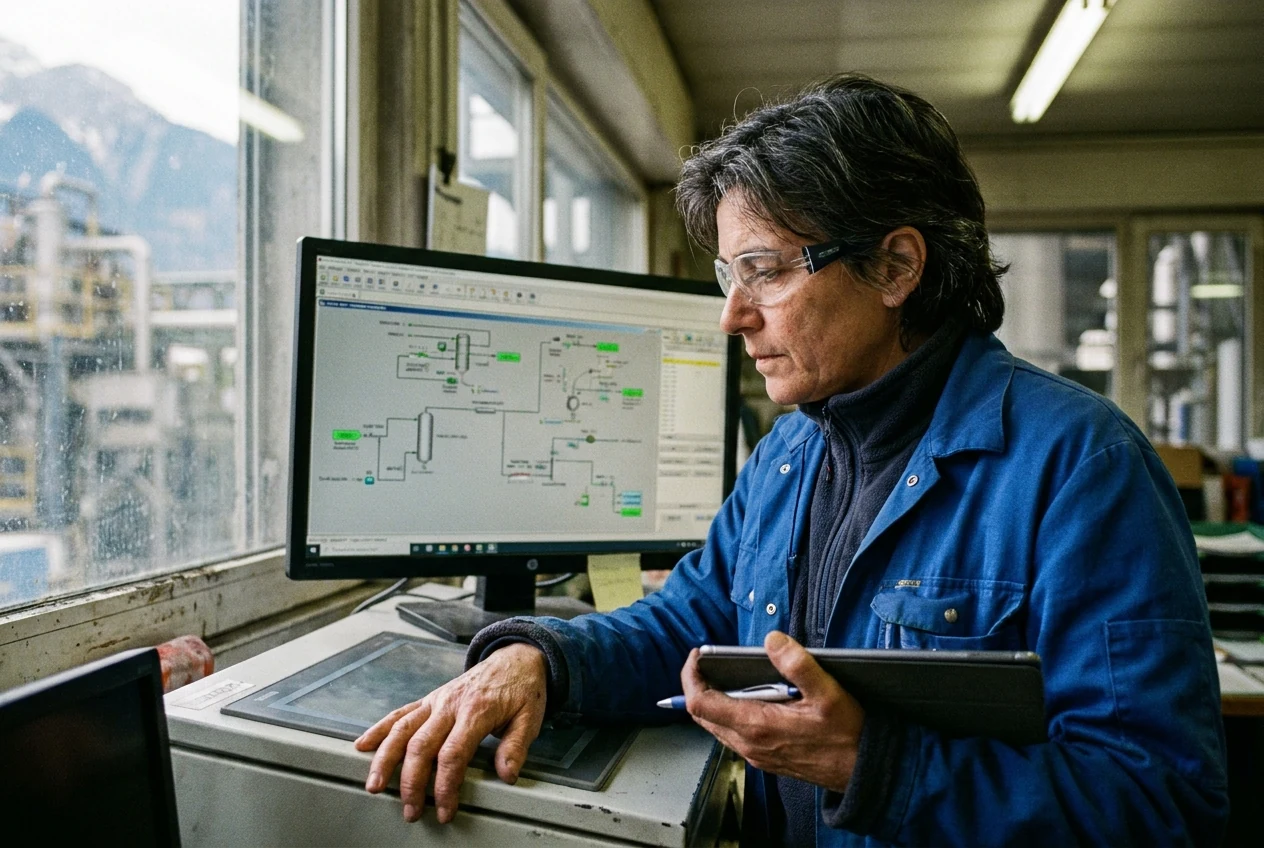
You sit at your computer and analyze seismic data to map the conductivity of the ground. You then discuss the results with engineering teams for a new tunnel project.
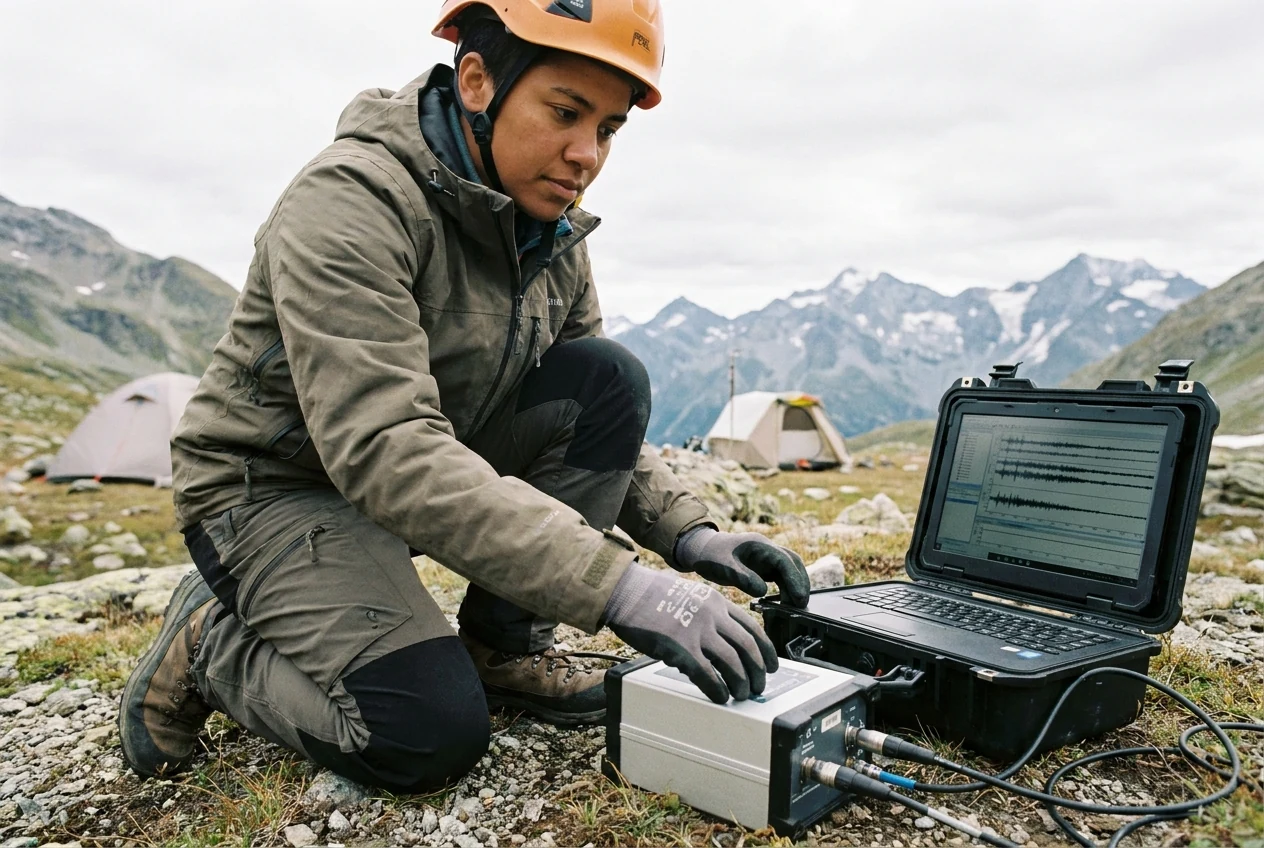
You work in engineering offices, research institutes, or public administrations. Your workplace shifts between the lab, the office, and the field.
06 · Similar