Salary by experience
View as table
| Experience | Salary (CHF) |
|---|---|
| 0-2 yrs | CHF 80'000 |
| 3-5 yrs | CHF 80'000 |
| 6-8 yrs | CHF 89'802 |
| 9-11 yrs | CHF 100'000 |
| 12-21 yrs | CHF 110'000 |
| 21+ yrs | CHF 112'000 |
You organize media collections and train users in academic research.
01 · Overview
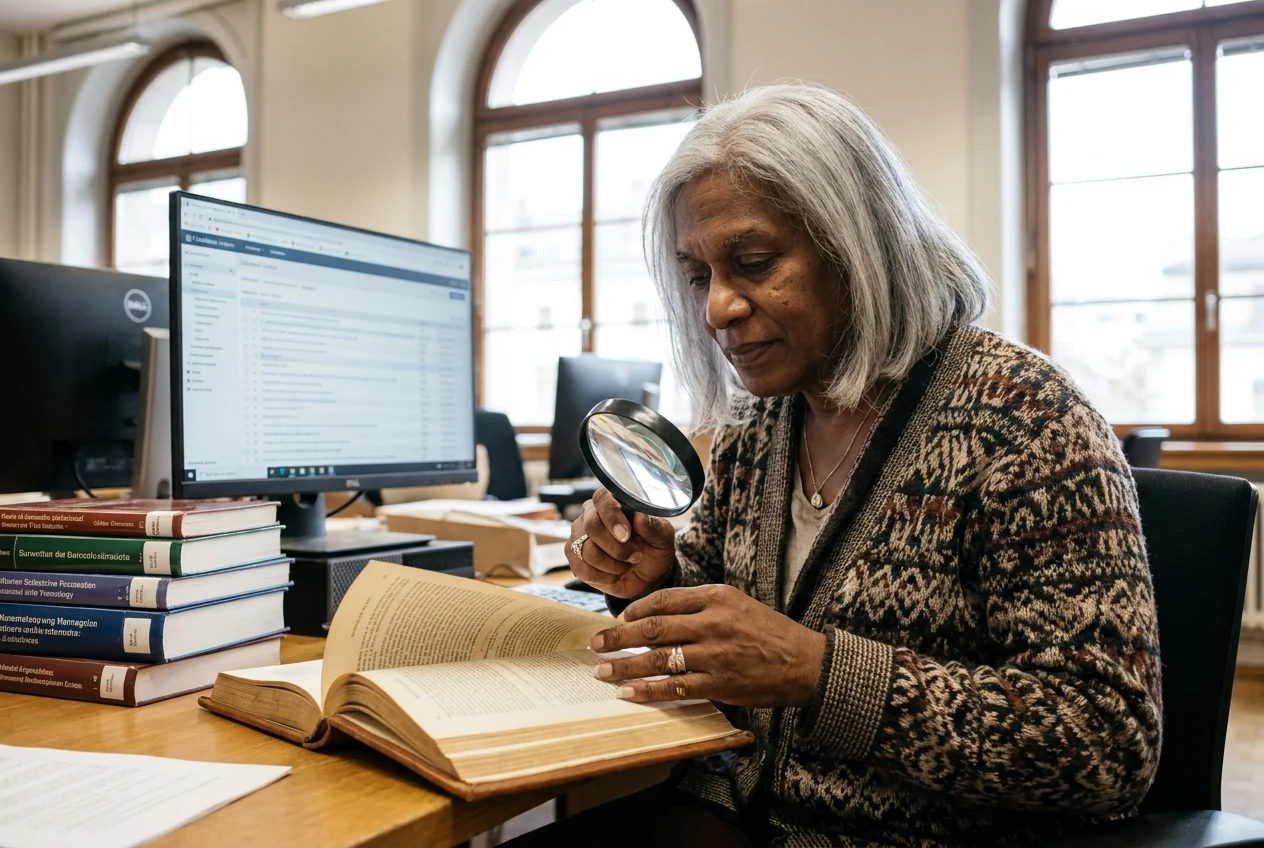
You manage academic media collections, train users in databases, and support digital library systems.
You are the key to sharing knowledge. You review, organize, and digitize media collections for research and teaching. Alongside collection planning and catalog maintenance, you train users in academic research. You often take on leadership tasks, support digital archives, or handle public relations. Your daily routine combines classic library work with modern information science.
02 · Salary
| Experience | Salary (CHF) |
|---|---|
| 0-2 yrs | CHF 80'000 |
| 3-5 yrs | CHF 80'000 |
| 6-8 yrs | CHF 89'802 |
| 9-11 yrs | CHF 100'000 |
| 12-21 yrs | CHF 110'000 |
| 21+ yrs | CHF 112'000 |
| Period | Salary (CHF) |
|---|---|
| 2014-2016 | CHF 80'310 |
| 2017-2019 | CHF 82'842 |
| 2020-2022 | CHF 81'795 |
| 2023-2025 | CHF 90'000 |
| Canton | Salary | Obs. |
|---|---|---|
| Solothurn | CHF 102'500 | 22 |
| Berne | CHF 96'746 | 313 |
| Basel-Land | CHF 94'000 | 45 |
| Lucerne | CHF 92'000 | 55 |
| Valais | CHF 87'786 | 28 |
| Aargau | CHF 86'892 | 59 |
| Industry | Salary | Obs. |
|---|---|---|
| Banking / Financial institutions | CHF 108'000 | 11 |
| Public administration / Associations | CHF 99'786 | 378 |
| Insurance | CHF 96'000 | 5 |
| Agriculture / Forestry / Wood | CHF 86'400 | 37 |
| Machine / System construction | CHF 85'000 | 33 |
| Health care / Social services | CHF 84'800 | 188 |
03 · Pathway
Swiss training pathway available in the full profile
Entry typically requires a master's degree or a university postgraduate program combined with an internship.
Wissenschaftliche Bibliothekarinnen und wissenschaftliche Bibliothekare
Career changers are possible if you have a relevant master's degree and practical experience in information organization. Professionals from archiving or digital humanities can also switch to this profession.
04 · Skills & fit
05 · Daily reality
You sit at your desk and check new specialist literature for academic relevance. Then you organize the media in the catalog and prepare a training session on literature research for students.
You work at universities, colleges, research institutes, or specialized subject libraries. Your environment features academic workspaces, server rooms, and training rooms.
06 · Similar