Nature & Environment

Zoologe/-login UNI/ETH

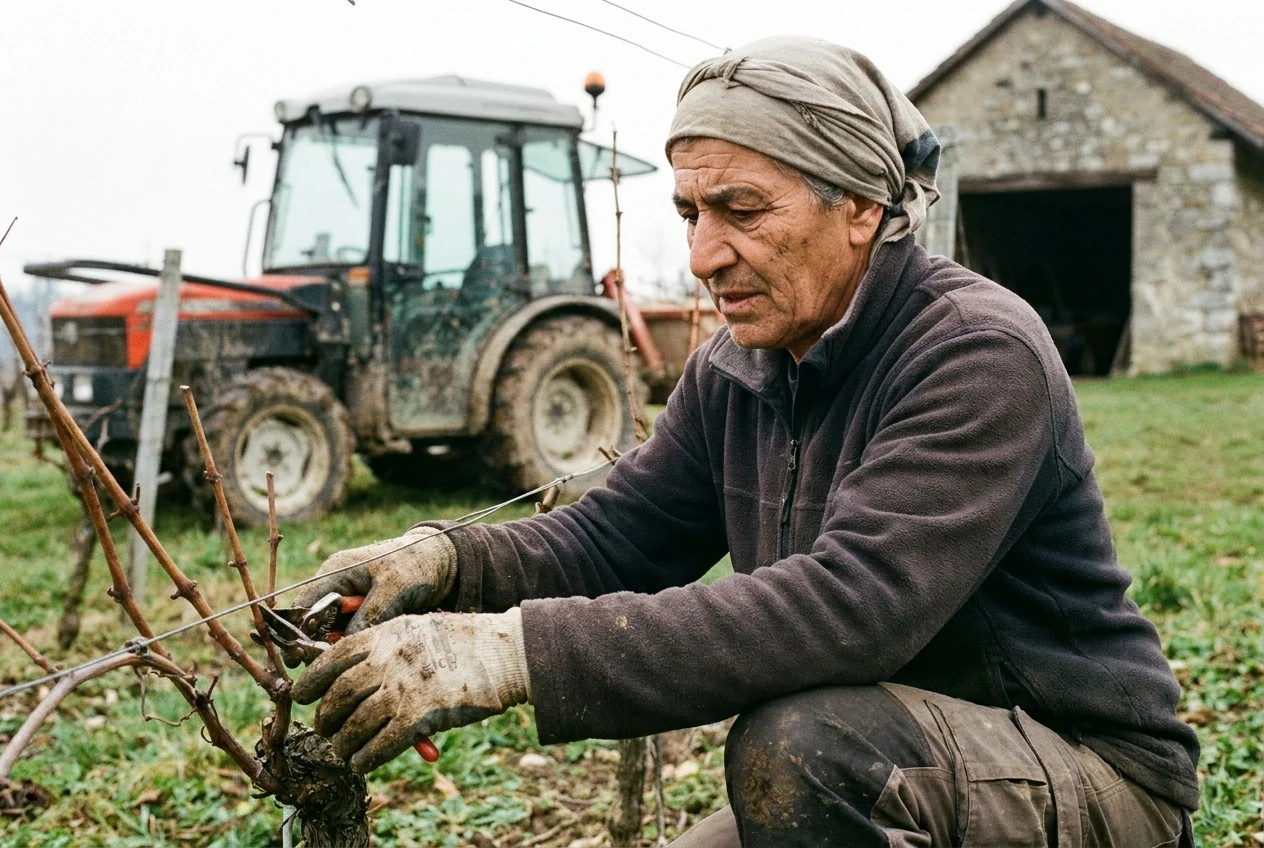
You explore animal worlds and protect their natural habitats
Zoologe/-login UNI/ETH

01 · Overview

What this profession is about

You analyze animal behavior and ecosystems. You care for animals in zoos and work in species conservation.

The work as a Zoologe/-login UNI/ETH combines scientific precision with deep respect for animals. You study genetics and evolution. You maintain species-appropriate habitats. You develop protection plans for endangered species. The job requires analytical thinking. It demands patience during fieldwork. You must explain complex ecological connections clearly.

FieldNature & Environment
Education pathHigher Education Profession
IndustryAnimal Husbandry & Care
Swissdoc 0.540.1.0

02 · Salary

What you can earn

No verified Swiss salary data is available for this profession yet.
Salaries reflect Swiss market data. Range covers entry to senior. Salary reference based on Zoologe/-login UNI/ETH.

Salary by experience

100k200k300k45k110k129k309k0-2 yrs3-5 yrs6-8 yrs12-21 yrs
View as table
ExperienceSalary (CHF)
0-2 yrsCHF 45'000
3-5 yrsCHF 110'000
6-8 yrsCHF 128'571
12-21 yrsCHF 308'999

03 · Pathway

How to enter and grow

Swiss training pathway available in the full profile

  • 🎓 "Bachelor of Science (UH/ETH) in Biology" mit Master in jeweiliger Spezialisierungsrichtung, wie z. B. "MSc in Animal Biology"
  • 4½ - 5 Jahre

Official education path

You complete a bachelor's and master's degree in biology. Your focus is on zoological research and species conservation.

Typical training path

"Bachelor of Science (UH/ETH) in Biology" mit Master in jeweiliger Spezialisierungsrichtung, wie z. B. "MSc in Animal Biology"

Prerequisites

  • eidg. or eidg. anerkannte Maturität
  • Hochschulabschluss (FH, Uni, ETH)
  • Berufsmaturität and Ergänzungsprüfung der Schweiz

Where this can lead

Career changes are possible. You can enter via a doctoral program or switch to related fields like conservation or science communication.

04 · Skills & fit

What it takes

Required skills

  • Analytical thinking
  • Patience and precision
  • Strong communication skills
  • Teamwork skills

Personality fit

  • Swiss career path
  • Career transition
  • Professional growth

05 · Daily reality

What the work feels like

Typical day

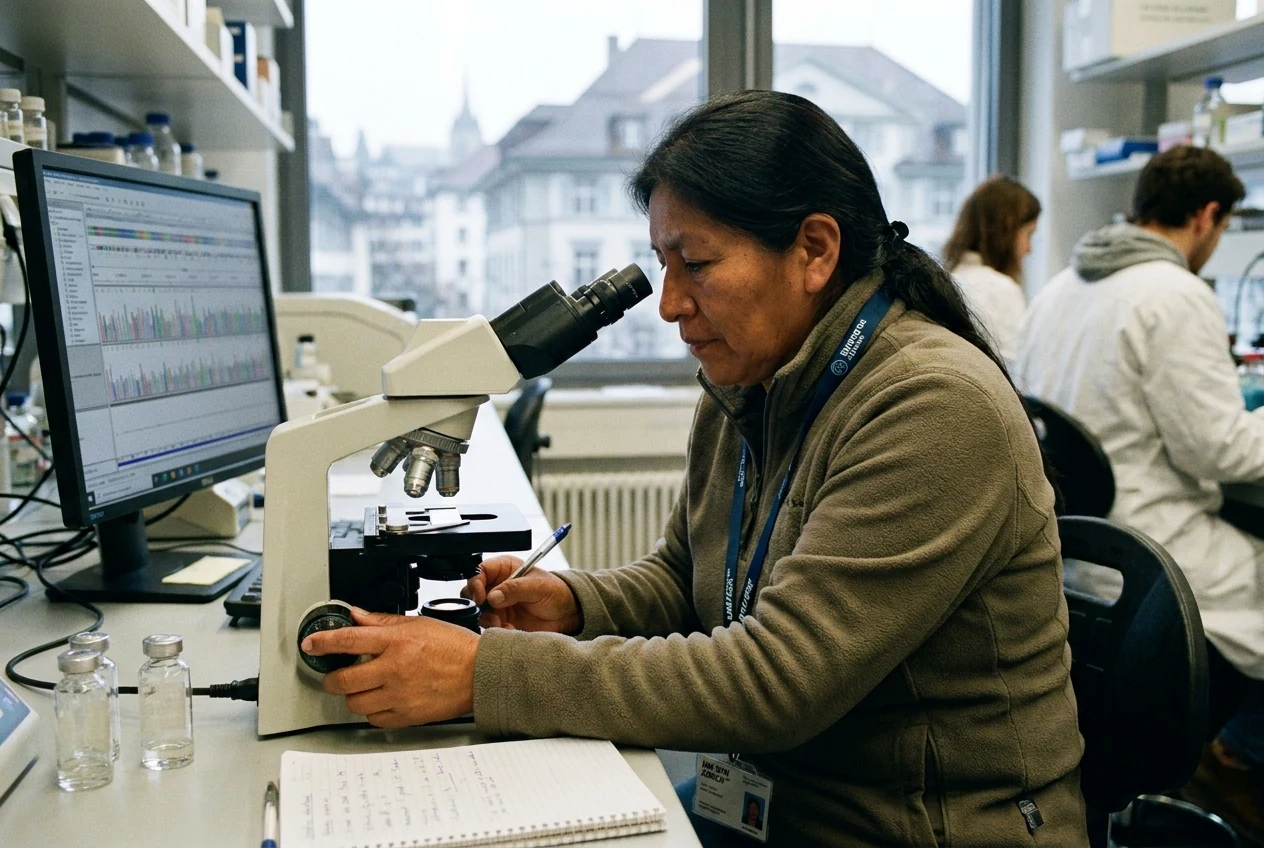
You work in a lab or in an outdoor enclosure. You record precise observations of animal behavior. Then you analyze the data on a computer. This helps you track population changes.

  • You classify animal species. You study the fine structure of their bodies.
  • You conduct genetic analyses. You answer evolutionary questions scientifically.
  • You observe the natural behavior of animals. You record every movement precisely.
  • You analyze ecological data on a computer. You document environmental changes systematically.
  • You care for animals in zoos. You develop their habitats to meet species-specific needs.
  • You write research results in English. You publish them in international journals.
  • You lead information sessions for visitors. You explain ecological connections.

Working conditions

You work at universities, research institutes, labs, government offices, zoos, and national parks. Jobs in associations, consulting firms, or journalism are also possible.

Strengths

  • Analytical thinking
  • Patience and precision
  • Strong communication skills
  • Teamwork skills

Trade-offs

  • Irregular working hours
  • Fixed-term contracts
  • Physical strain
  • High knowledge pressure

06 · Similar

You might also explore

All in Nature & Environment