Salary by experience
View as table
| Experience | Salary (CHF) |
|---|---|
| 0-2 yrs | CHF 149'494 |
| 3-5 yrs | CHF 148'235 |
| 6-8 yrs | CHF 136'000 |
| 9-11 yrs | CHF 163'550 |
| 12-21 yrs | CHF 175'000 |
| 21+ yrs | CHF 165'000 |
You review court judgments for their legality as the highest cantonal authority.
01 · Overview
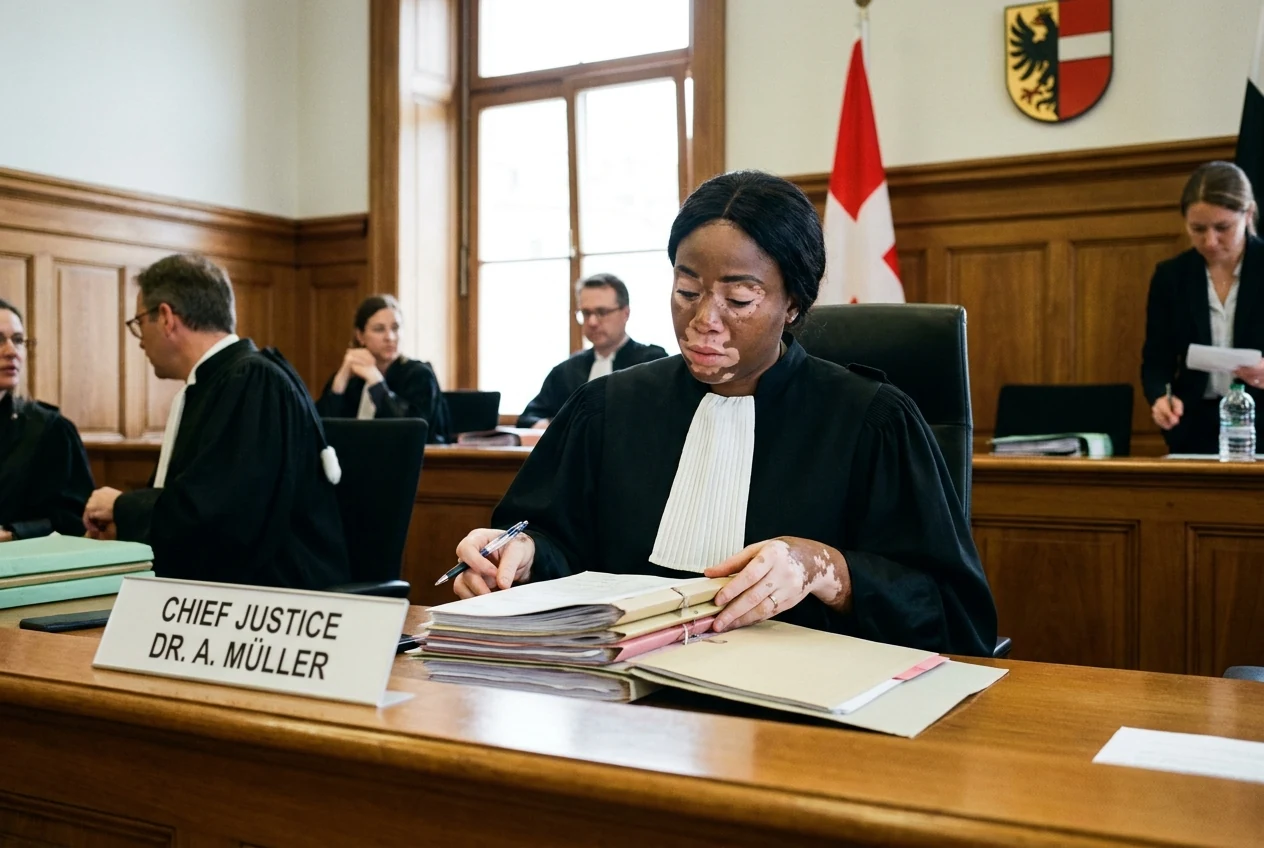
Oberrichter/in decide on appeals in civil and criminal cases as the second instance.
You stand at the top of cantonal justice. You review complex legal disputes. As the second instance, you check judgments for their legality. You lead proceedings, manage departments, and make important decisions. This job requires legal expertise, high resilience, and a strong sense of responsibility. You actively shape justice in Switzerland.
02 · Salary
| Experience | Salary (CHF) |
|---|---|
| 0-2 yrs | CHF 149'494 |
| 3-5 yrs | CHF 148'235 |
| 6-8 yrs | CHF 136'000 |
| 9-11 yrs | CHF 163'550 |
| 12-21 yrs | CHF 175'000 |
| 21+ yrs | CHF 165'000 |
| Period | Salary (CHF) |
|---|---|
| 2017-2019 | CHF 161'250 |
| 2020-2022 | CHF 167'000 |
| 2023-2025 | CHF 153'994 |
| Industry | Salary | Obs. |
|---|---|---|
| Legal / Business advice | CHF 167'050 | 10 |
| Public administration / Associations | CHF 152'412 | 13 |
03 · Pathway
Swiss training pathway available in the full profile
You enter this role with a law master's degree and several years of practical experience.
Master Universitäre Hochschule in Rechtswissenschaften
Career changers are rare. A completed law degree and court practice are strictly required.
04 · Skills & fit
05 · Daily reality
You sit at your desk and carefully review appeal files. Then you lead an oral hearing. You listen to the parties and clarify the legal situation.
You usually work at cantonal appellate courts or administrative courts. Your workplace is a traditional courthouse with hearing rooms and offices.
06 · Similar