Textiles & Fashion

Theaterschneider/in

You create elaborate costumes for the stage and screen.
Theaterschneider/in

01 · Overview

What this profession is about

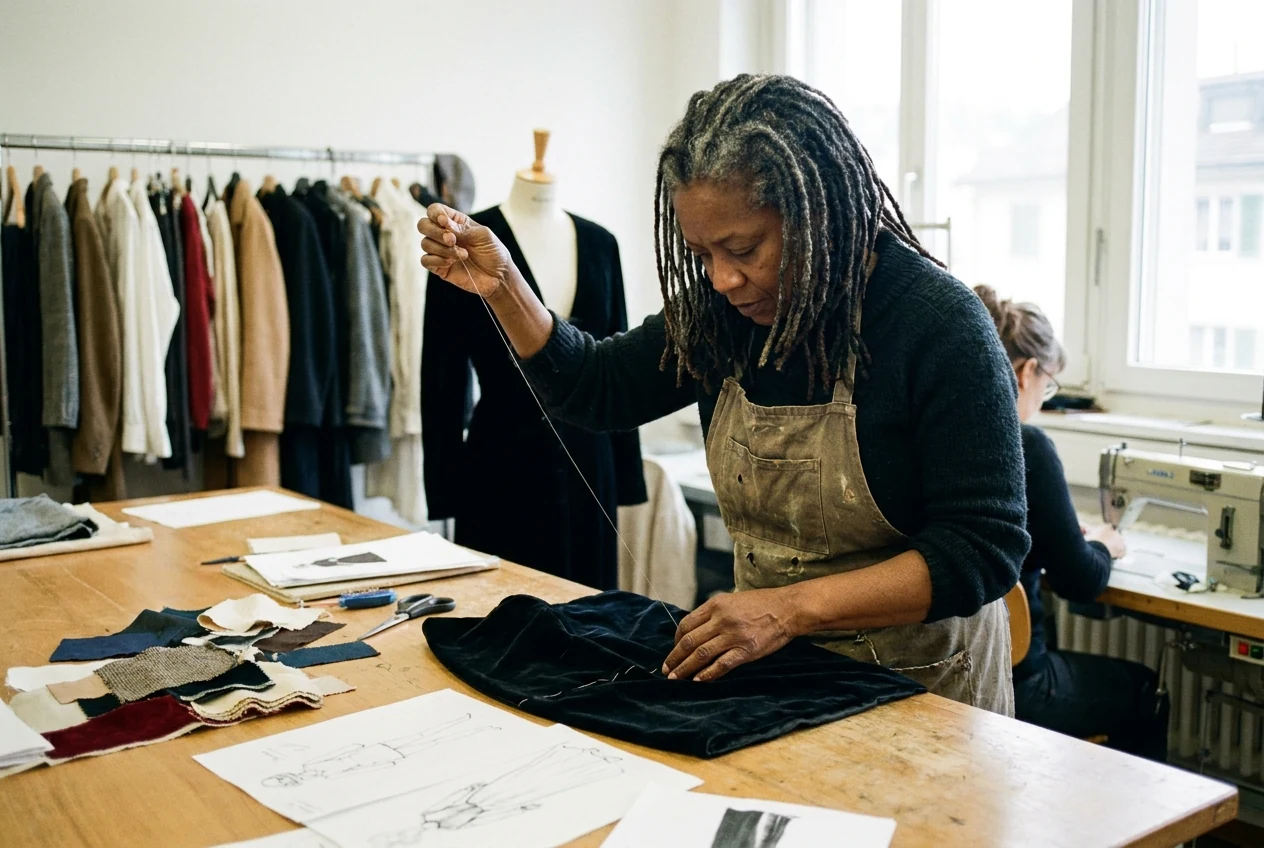
Theaterschneider/in turn costume designs into reality. You sew fabrics, adjust fittings, and maintain the wardrobe.

Behind the scenes of theatre and opera, magic is made from fabric and needle. You design costumes for ballet, film, and circus. You work with unusual materials and ensure every detail fits perfectly during the final rehearsal. With craftsmanship and organisational talent, you turn designs into wearable art.

FieldTextiles & Fashion
Education pathSpecialisation / Professional Function
IndustryFashion & Apparel
Swissdoc 0.825.22.0 - 0.825.9.0

02 · Salary

What you can earn

No verified Swiss salary data is available for this profession yet.
Salaries reflect Swiss market data. Range covers entry to senior. Salary reference based on Theaterschneider/in.

03 · Pathway

How to enter and grow

Swiss training pathway available in the full profile

  • 🎓 Theaterschneider/in

Official education path

Training takes place at specialised schools. It includes a practical entrance exam and focuses on costume history.

Typical training path

Theaterschneider/in

Prerequisites

  • Usually Grundbildung als Bekleidungsgestalter/in
  • Career changers with proven tailoring skills are also accepted at the two Swiss schools

Requirements

  • Craftsmanship

Where this can lead

Career changers with solid tailoring skills can qualify through specialised courses or industry internships.

04 · Skills & fit

What it takes

Required skills

  • Craftsmanship
  • Organisational skills
  • Creativity
  • Team spirit

Personality fit

  • Swiss career path
  • Career transition
  • Professional growth

05 · Daily reality

What the work feels like

Typical day

You stand at the cutting table and carefully check the seams of a new costume. In between, you adjust the clothing during rehearsals. You fine-tune small details so the actors feel confident.

  • You draft patterns and cut fabrics according to the costume designer's instructions.
  • You work with a wide range of materials to create historical garments or imaginative costumes.
  • You sew with extra durability so the clothing survives multiple performances without damage.
  • You carry out embroidery when needed or add ornaments to garments.
  • You assist with fittings and adjust the fit until the final rehearsal.
  • You monitor the budget and ensure timely processes in the wardrobe department.
  • You repair damaged parts and clean the costumes for the next performance.
  • You adapt stock garments to fit the actors.

Working conditions

You work in theatre dressing rooms, opera cellars, film studios, or circus workshops. You often share your workspace with other costume makers and seamstresses.

Strengths

  • Craftsmanship
  • Organisational skills
  • Creativity
  • Team spirit

Trade-offs

  • Time pressure
  • Physical strain
  • Shift work
  • Attention to detail

06 · Similar

You might also explore

All in Textiles & Fashion