Education & Social Work

Berater/in im psychosozialen Bereich HFP

You guide people through difficult life situations toward greater independence

Berater/in im psychosozialen Bereich HFP

01 · Overview

What this profession is about

You hold personal conversations, create counseling plans, and support clients in their personal development.

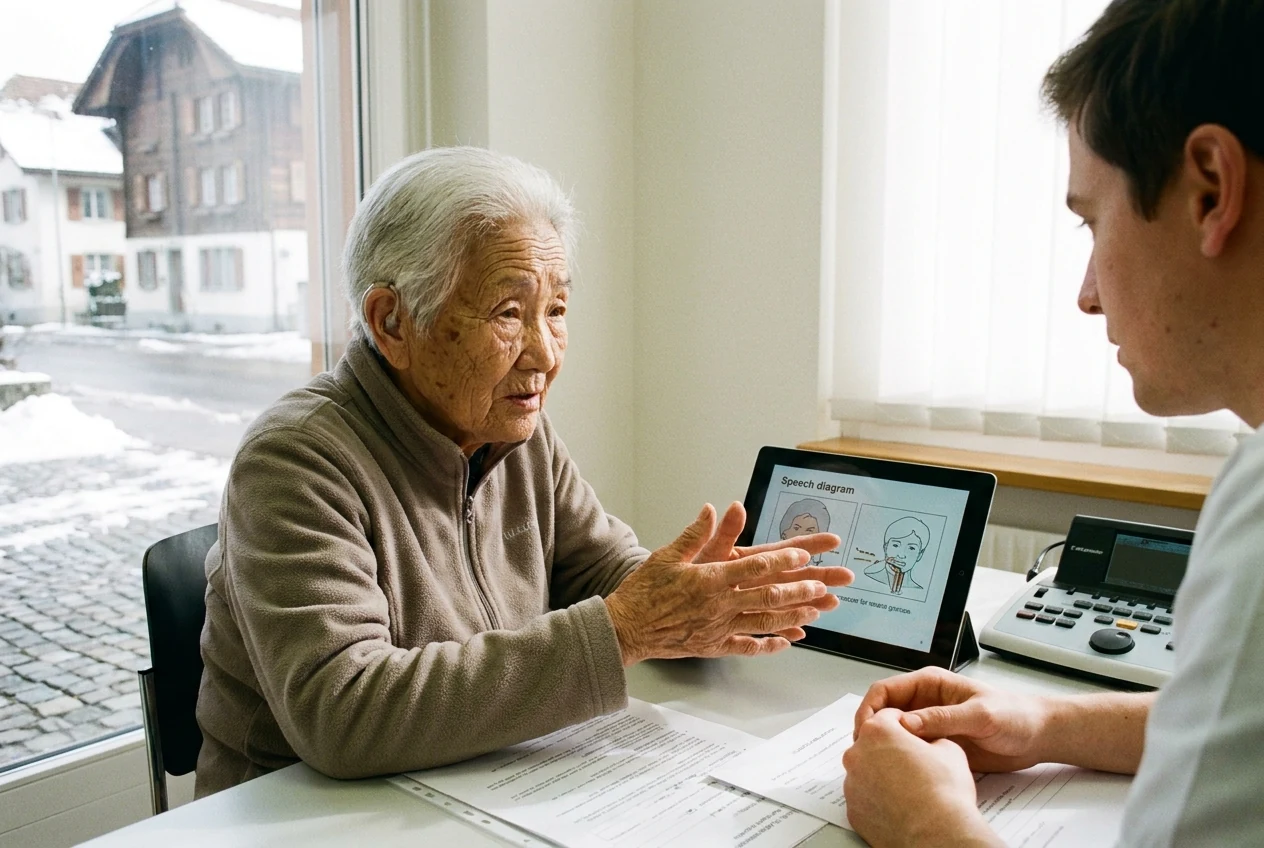
As a Berater/in im psychosozialen Bereich HFP, you listen carefully and take clients' worries seriously. You analyze their personal situation closely. Together, you find a clear path forward. Your aim is to boost self-reliance. You help break old habits and open new doors for daily life.

FieldEducation & Social Work
Education pathContinuing Education Profession
IndustryConsulting
Swissdoc 0.734.21.0

02 · Salary

What you can earn

MedianCHF 70'000
CHF 54'000CHF 93'618
✓ Strong salary match
Salaries reflect Swiss market data. Range covers entry to senior. Salary reference based on Beraterin Cash Service. Based on 82 observations, updated 7 months ago.

Salary by experience

70k75kmedian 70k69k68k72k72k79k70k0-2 yrs3-5 yrs6-8 yrs9-11 yrs12-21 yrs21+ yrs
View as table
ExperienceSalary (CHF)
0-2 yrsCHF 69'000
3-5 yrsCHF 68'167
6-8 yrsCHF 71'725
9-11 yrsCHF 71'850
12-21 yrsCHF 79'000
21+ yrsCHF 70'000

Salary trend

-14% over decade
60k65k70k70k69k72k60k2014-20162017-20192020-20222023-2025
View as table
PeriodSalary (CHF)
2014-2016CHF 70'000
2017-2019CHF 68'750
2020-2022CHF 71'500
2023-2025CHF 60'200

Top earning cantons

  • ZurichCHF 68'02521 obs.
View as table
CantonSalaryObs.
ZurichCHF 68'02521

Top paying industries

  • Banking / Financial institutionsCHF 70'00067 obs.
View as table
IndustrySalaryObs.
Banking / Financial institutionsCHF 70'00067

03 · Pathway

How to enter and grow

Swiss training pathway available in the full profile

  • 🎓 Berater/in im psychosozialen Bereich mit eidg. Diplom
  • 3 bis 4 Jahre, berufsbegleitend (600 Lektionen sowie Selbststudium)

Official education path

The part-time course lasts 3 to 4 years. It includes 600 lessons and self-study.

Typical training path

Berater/in im psychosozialen Bereich mit eidg. Diplom

Prerequisites

  • Berufsabschluss auf Tertiärstufe or equivalent qualification and at least 6 years of professional experience in a psychosocial context
  • Alternatively, without a tertiary degree, at least 8 years of professional practice in a psychosocial context
  • Proof of at least 20 counseling processes with at least 100 sessions, including 5 counseling processes with at least 5 hours
  • Proof of 40 hours of client-related supervision as a supervisee
  • Proof of 40 hours of psychosocial counseling as a client
  • Participation in at least 8 sessions of a supervision or intervision group over at least 2 years
  • Guidance by a supervisor for at least 1 year (at least 20 hours) in counseling-competence-related supervision

Requirements

  • Empathy
  • Patience and flexibility
  • Sense of responsibility

Where this can lead

A career change is possible if you already have a tertiary degree or comparable qualifications.

04 · Skills & fit

What it takes

Required skills

  • Empathy and patience
  • Analytical thinking
  • Sense of responsibility
  • Strong communication skills

Personality fit

  • Swiss career path
  • Career transition
  • Professional growth

05 · Daily reality

What the work feels like

Typical day

You sit in the counseling room and listen carefully while a person shares their worries. You discuss the first steps together. Then you create a personal plan for the next sessions.

  • You hold personal conversations with clients who face specific problems or want to grow.
  • You ask about their current life situation. You carefully weigh the most important aspects.
  • You create a structured counseling plan. It is clear in content and timeline.
  • You build a trusting relationship with clients in the first sessions.
  • You adapt the counseling process to each person's social and cultural background.
  • You encourage self-responsibility. You support clients in changing their habits.
  • You spot crisis situations early. You respond appropriately to the immediate situation.
  • You refer clients to specialists when needed. This ensures they get the best support.

Working conditions

You work in counseling centers, hospitals, aid organizations, or non-profits. You can also work independently in your own practice.

Strengths

  • Empathy and patience
  • Analytical thinking
  • Sense of responsibility
  • Strong communication skills

Trade-offs

  • Emotional strain
  • High responsibility
  • Administrative workload
  • Flexibility in daily life

06 · Similar

You might also explore

All in Education & Social Work