Salary by experience
View as table
| Experience | Salary (CHF) |
|---|---|
| 0-2 yrs | CHF 62'760 |
| 3-5 yrs | CHF 67'050 |
| 6-8 yrs | CHF 75'600 |
| 9-11 yrs | CHF 85'050 |
| 12-21 yrs | CHF 61'500 |
| 21+ yrs | CHF 99'750 |
You treat fascia and release tension for greater well-being
01 · Overview
Faszientherapeut/in use manual techniques to loosen fascia and strengthen the connection between body and mind
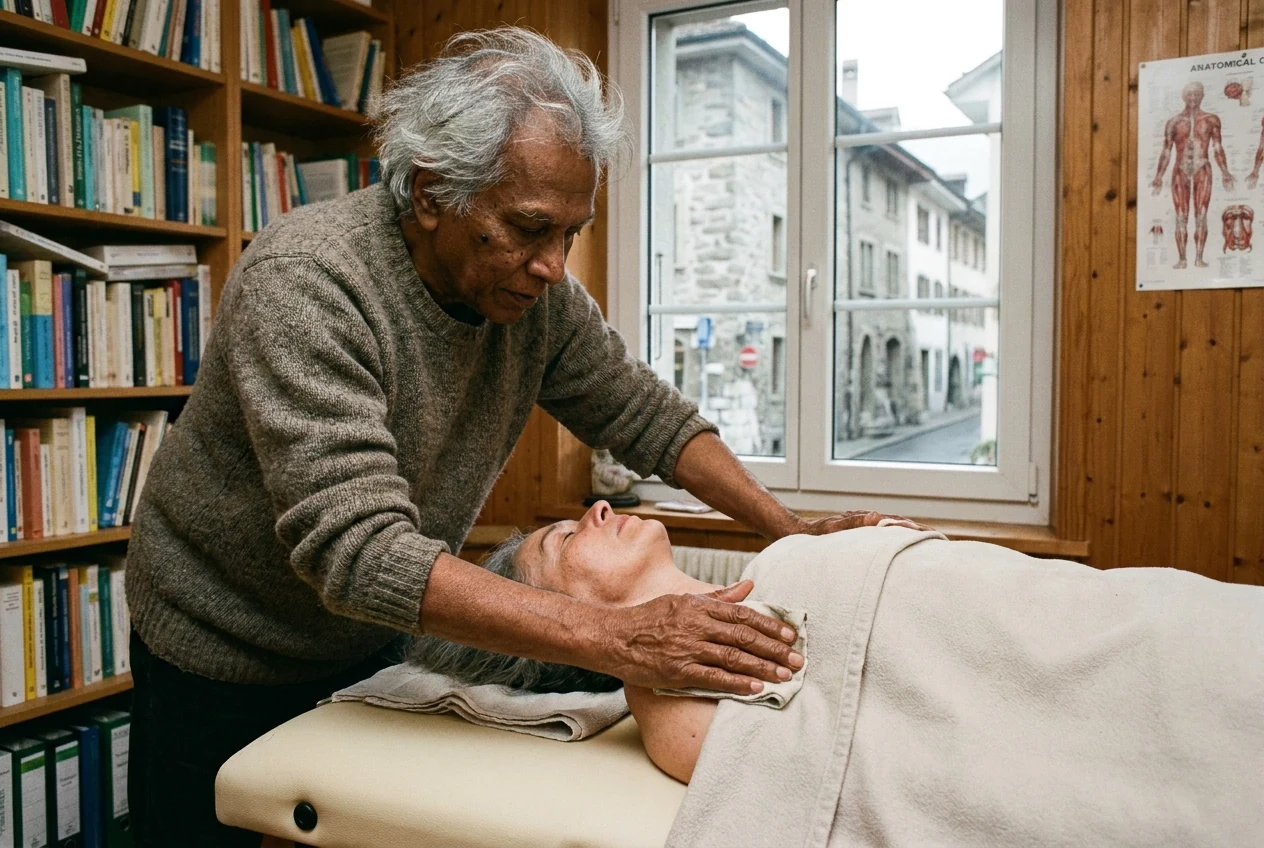
Fascia run through the entire body like a network. They connect muscles, bones, and organs. As a Faszientherapeut/in, you work exactly at this intersection. With targeted movements, you release adhesions, ease pain, and promote natural mobility. You always consider the interaction between physical tension and emotional well-being. Your goal is to support the overall well-being of your clients
02 · Salary
| Experience | Salary (CHF) |
|---|---|
| 0-2 yrs | CHF 62'760 |
| 3-5 yrs | CHF 67'050 |
| 6-8 yrs | CHF 75'600 |
| 9-11 yrs | CHF 85'050 |
| 12-21 yrs | CHF 61'500 |
| 21+ yrs | CHF 99'750 |
| Period | Salary (CHF) |
|---|---|
| 2017-2019 | CHF 46'667 |
| 2020-2022 | CHF 84'000 |
| 2023-2025 | CHF 69'000 |
| Industry | Salary | Obs. |
|---|---|---|
| Health care / Social services | CHF 67'761 | 14 |
03 · Pathway
Swiss training pathway available in the full profile
Training is provided by schools that issue their own diplomas or certificates
Faszientherapeut/in
A career change is possible if you have completed training in the health sector. You can also prove relevant knowledge in anatomy and physiology
04 · Skills & fit
05 · Daily reality
You stand at the treatment table. You work with targeted movements on the fine connective tissue membranes of your clients. You feel out tension and release it slowly. This improves mobility and well-being
You typically work in physiotherapy practices, wellness centers, or specialized therapy clinics. You often run your own private practice. You treat clients by appointment
06 · Similar